Low End Theory: The Unsung Bassists Who Wrote Funk's Whole Script (Then Got Shown the Door)

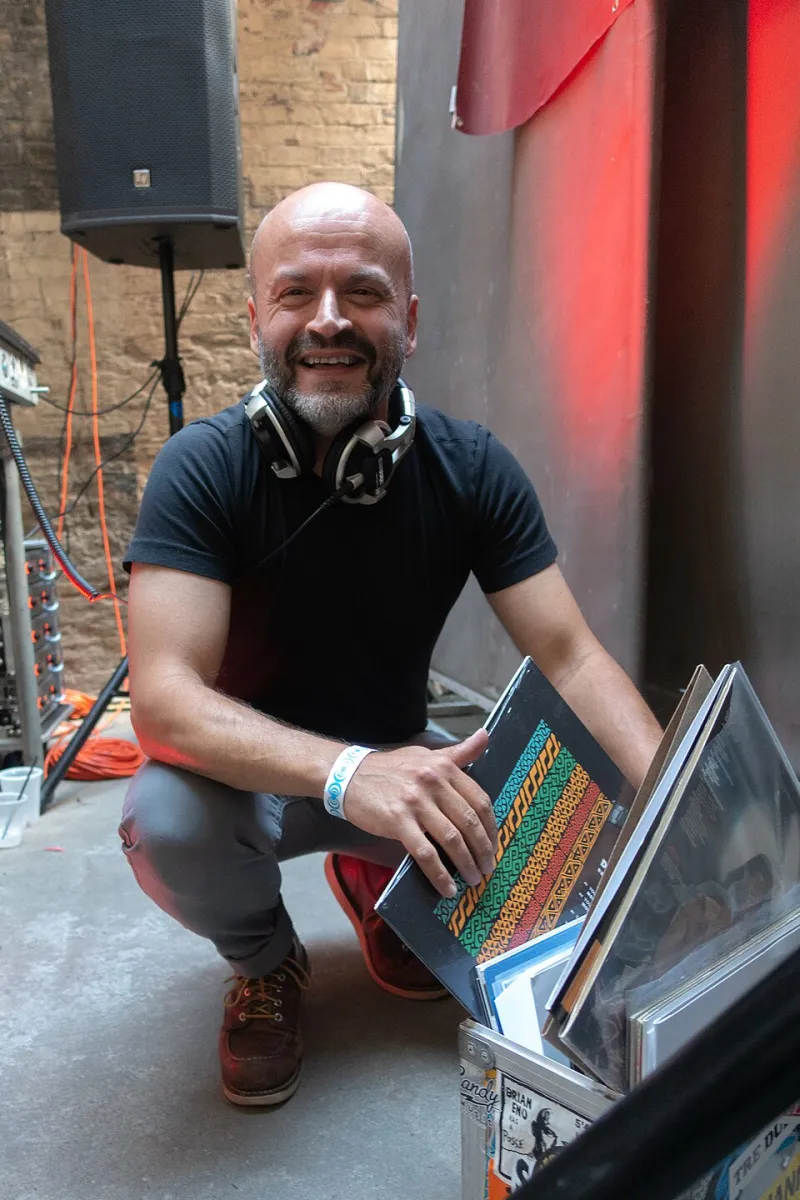
Photo by Photo by DAVID NIETO on Unsplash on Unsplash
Here's a party trick for your next cookout: put on any funk record worth its salt and ask the room who's playing that bassline. Nine times out of ten, somebody will name the singer. The singer! The guy who showed up, hollered "yeah!" over a groove somebody else birthed, and walked away with the fame, the fur coat, and the VH1 documentary.
The bassist? He got a thank-you in the liner notes. Maybe.
The Groove Was Never the Singer's Idea
Let's be honest about how funk actually works. The genre isn't built on melody or lyrics — it's built on feel, and feel lives below the waist, which is to say below the third fret. The bassline IS the song. Everything else is decoration. When James Brown counted off "one and here we go," he wasn't launching a vocal performance. He was handing the keys to the low end and hoping the driver didn't crash.
And the drivers? They were geniuses. And they kept getting fired. That's the pattern, and once you see it, you can't unsee it.
Bootsy: The One Who Got Away (And Took the Sound With Him)
Casual Collins — sorry, Bootsy Collins — played on some of the most important funk ever committed to tape. His basslines for James Brown in the early '70s didn't just support songs like "Sex Machine"; they practically invented the vocabulary every funk, boogie, and G-funk record would speak for the next fifty years. That wobbly, rubber-band attack? That's Bootsy. That's the blueprint.
Then he walked — or was pushed, depending on which version of the story you buy — and James Brown's rhythm sections spent years chasing a ghost. Bootsy went on to Parliament-Funkadelic and became a star in his own right, space cadet costume and all. He's the exception that proves the rule: the bassist only wins when he becomes the frontman. Otherwise, the door's that way.
Larry Graham Invented the Thumb, and History Barely Sent a Card
Before Sly and the Family Stone even hit their stride, Larry Graham was doing something nobody had done before: popping and slapping the strings like they owed him money. That percussive thump on "Thank You (Falettinme Be Mice Elf Agin)"? That's not a technique, that's an invention. Every slap bassist from Louis Johnson to Flea is downstream of Graham's right hand.
When Graham left Sly's band, the family never quite recovered its center of gravity — literally. The groove had walked out with him. Graham resurfaced with Graham Central Station and kept thumping, but the mainstream memory filed him under "sideman." A man who changed how the instrument is played, remembered as a supporting player. Make it make sense.
The Pattern: Frontmen Eat First
Look at the roster of funk's great rhythm sections and you'll find a graveyard of quiet departures. The bassist builds the foundation, the singer builds the brand, and when the money gets funny, the low end gets cut. It's the oldest story in band politics: the person doing the least visible work has the least leverage, no matter how load-bearing the work is.
The vinyl world knows the truth, though. Pull any original press of a late-'70s boogie 12-inch and listen to what's actually happening down there. The bassline is the whole argument. The vocals are the footnote. That's why collectors and DJs keep hunting these records while the greatest-hits compilations gather dust — the groove doesn't age, but fame sure does.
Give the Low End Its Flowers (And Its Royalties)
So here's the opinion, stated plainly: the bass player is funk's true author, and it's long past time we started citing our sources. Next time a funk record moves you, do the homework. Find out who was holding the bottom. Read the credits. Buy the reissue that names the rhythm section on the spine.
The frontmen got the spotlight. The least we can do is give the bassists the last word — which, if they played it right, they already had all along.