Cash Bar, Packed Floor: The Fraternal Hall Is America's Best-Kept Funk Venue
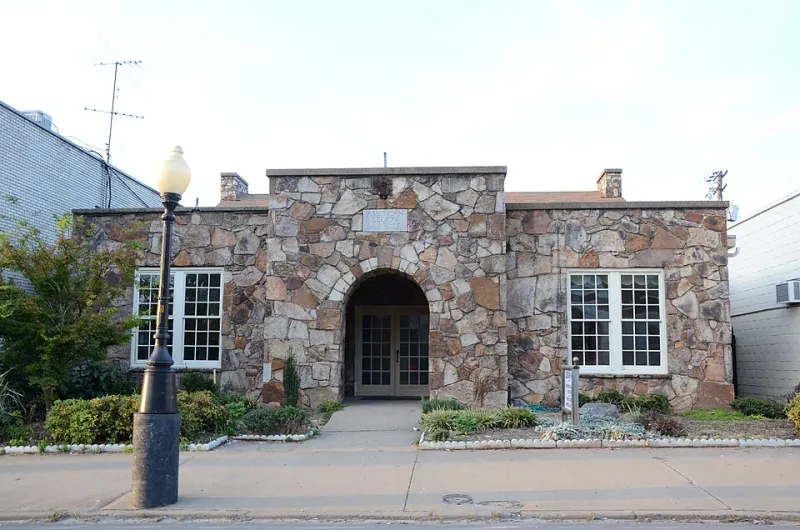
Photo: Valis55, CC BY-SA 3.0, via Wikimedia Commons
You know the building. It sits on a side street with a flagpole, a gravel lot, and a sign that has said 'Wednesday: Wings' since the Carter administration. On a Saturday night in 2026, there is a line at the door. Inside, a DJ is playing 'Ain't No Stoppin' Us Now' under fluorescent tubes, and 140 people are dancing like the rent is due because, for once, it isn't.
The American Legion hall, the VFW post, the Elks lodge, the Knights of Columbus basement: these are the last rooms in America where a funk night can break even at $12 a head. Clubs have priced out the regulars. Fraternal halls have accidentally become the resistance.
The Math That Makes a $12 Night Out Possible
A mid-sized hall in a mid-sized town rents for $200 to $600, depending on the market, the day, and whether the bar is included. Capacity is usually 120 to 250. There is a cash bar, a coat rack, a kitchen you may or may not be allowed to use, and a trustee named Gary who will absolutely check the thermostat.
Do the arithmetic. Sell 150 tickets at $12 and you have $1,800. Pay the hall $400, the DJ $300, the bartender's tip-out $100, insurance and cleanup $150, and you are still standing at the end of the night with money for the next party and a receipt for the hall board. Compare that to a club where the minimum spend on a Saturday is $400 and the sound guy charges extra for a working monitor.
Halls need the rental income. Membership rolls have thinned for decades, and a weekend dance pays the electric bill and keeps the roof patched. The relationship is simple: the lodge gets a tenant, the dancers get a floor, and nobody has to buy a $19 cocktail to hear a horn section.
Booking the Room Without Getting the Side-Eye
The first rule is that you do not call it a rave. You call it a dance. You call it a social. You call it 'live music and recorded entertainment.' You do not promise a laser show.
Most halls require a member sponsor, so ask around. A social membership often costs $30 to $60 a year and buys you credibility. Book six to eight weeks out. Bring a certificate of insurance; many boards require it, and the ones that don't will appreciate it. Sign the contract, pay the deposit, and confirm whether you are allowed to bring your own food, your own bartender, or your own anything. Some halls make their own bartender mandatory. Some let you use the kitchen for a fee. All of them care about cleanup.
Ask about the breaker panel before you ask about the capacity. Ask where the load-in door is. Ask if there is an event already booked in the front room. Ask what time the neighbors start complaining, because there is always a neighbor, and that neighbor has the trustee's cell number.
The Room Is Both the Enemy and the Answer
A fraternal hall is an acoustic disaster with a coat rack. The ceiling is low, the floor is tile or linoleum, the walls are parallel, and the HVAC hums in B-flat. Four subs will turn the room into mud. Two subs, placed carefully, will do the job.
Decouple the speakers from the floor with pads or carpet scraps. Aim the tops across the short wall so the sound crosses the dancers instead of hitting the back wall and bouncing home. Bring a few lamps and a dimmer pack; nothing kills a groove faster than 40 years of fluorescent lighting. Gaffer-tape every cable you can see. Find out which outlet the kitchen freezer is on and do not touch it.
Keep the volume human. These rooms are not soundproofed, and the hall's insurance is not a nightclub policy. End at 11 or 12. Load out through the kitchen if that is what the trustee says, even if it means carrying a sub past a tray of dinner rolls.
Etiquette for First-Timers
Sign the guest book. Buy from the cash bar and tip the bartender. Do not bring your own liquor unless the contract says so. Do not move the memorial wall, the flag, or the framed photo of the 1974 bowling team. The coat rack is sacred; treat it like a coat rack, not a jungle gym.
Request songs politely and accept the DJ's answer. Do not dance on the tables. Do not film strangers without asking. Sweep the floor, take your trash, and leave the room cleaner than you found it. Thank the bartender, the trustee, and the person who unlocked the door. If you want to come back, the hall board has to like you more than they like the quiet.
Why This Keeps Working
The fraternal hall is not cool. That is the point. It is cheap, it is dry, it has a coat rack, and it puts a dance floor within reach of people who cannot drop $80 before the first song. In 2026, accessible groove lives in unglamorous rooms. The hall does not care about your outfit. It cares that you showed up and did not spill.