Grandma's B-Side Is Famous Now: How 1978 Basslines Became Gen Z's Secret Language
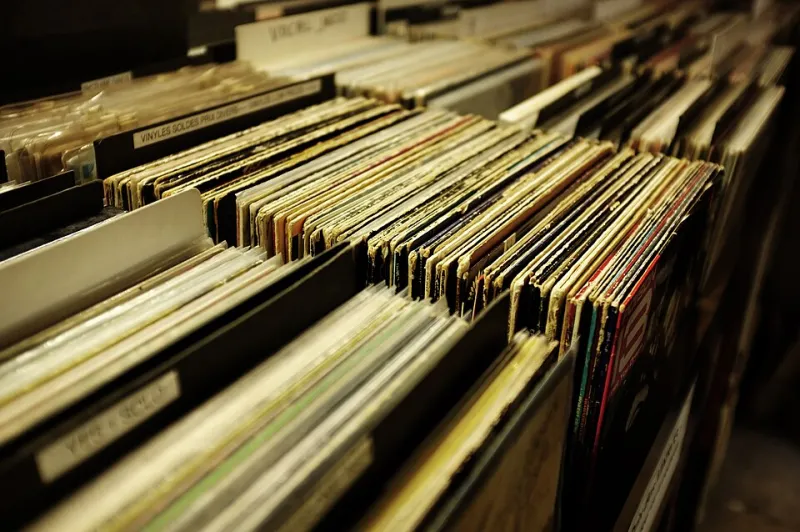
Photo: Mr Cup / Fabien Barral iammrcup, CC0, via Wikimedia Commons
Somewhere in America right now, a 19-year-old is filming a 15-second clip of themselves making a grilled cheese. The lighting is good. The cheese pull is criminal. And underneath it all is a bassline recorded before their parents met — something warm, round, and slightly out of tune with modernity, thumping along like it was built for this exact moment.
It was built in 1978.
The Groove Found You
Here's the thing nobody planned: funk never went away. It just moved into the walls. And when TikTok's algorithm went hunting for the perfect background feeling — confident, loose, a little bit naughty — it kept landing on the same answer. Boogie-era basslines. That late-'70s sweet spot where disco's sheen met funk's dirt, all slap and syncopation and hi-hats that sound like a soda can opening.
Ask any creator under 25 why they picked that sound and you'll get a shrug. "It just hits." That's the whole pitch. A groove recorded in a studio with tape hiss and a session player named Earl is now the universal shorthand for main character energy. Gen Z didn't learn funk history; they learned funk instinct. Honestly, that might be better.
Fifteen Seconds of Immortality
Talk to the sample clearance specialists — yes, that's a real job, and yes, they are busier than ever — and you'll hear the same story on repeat. A sound goes viral. Suddenly 40,000 videos are riding the same eight bars. Then the emails start.
"The kids don't sample the chorus," one clearance consultant told us. "They sample the pocket. The one-two-three-REST where the bass falls into the hole. That's the part that makes a phone scroll stop." The original players, meanwhile, are often finding out from their grandkids that they're trending. One bassist from a regional boogie outfit that never charted higher than #94 now gets royalty checks from a dance trend he had nothing to do with choreographing. He says it's the best money he's ever made sideways.
The Dollar Bin Renaissance
Which brings us to the part that warms our cold, vinyl-shaped hearts: the crate-digging boomlet. Record stores from Detroit to Atlanta report teenagers flipping through funk 45s with the intensity of scholars. They're not buying reissues. They want the original pressings — the ones with the scribbled catalog numbers and the B-sides where the real grooves hid all along.
The math is beautiful. A regional boogie 12-inch that sold 800 copies in 1979 now sits in a dollar bin, waiting to become the sound under somebody's GRWM video. Every neglected crate is an algorithm lottery ticket. We've said it before and we'll say it until we're dust: the floor owes somebody money, and apparently it's paying up in streams.
Keep the Party Moving, Keep the Credits Moving
Look, purists will grumble that a 15-second clip can't hold a candle to the full nine-minute album cut. Fine. But consider: every viral sound is a doorway. Somewhere down that comment section is a kid typing "what song is this" and then falling headfirst into the whole catalog, then the whole genre, then a turntable they can't afford.
The boogie never died. It just learned a new dance. And honestly? The footwork's impeccable.
Drop your favorite funk-gone-viral sound in the comments. We'll be the ones nodding approvingly at the 1978 deep cuts.