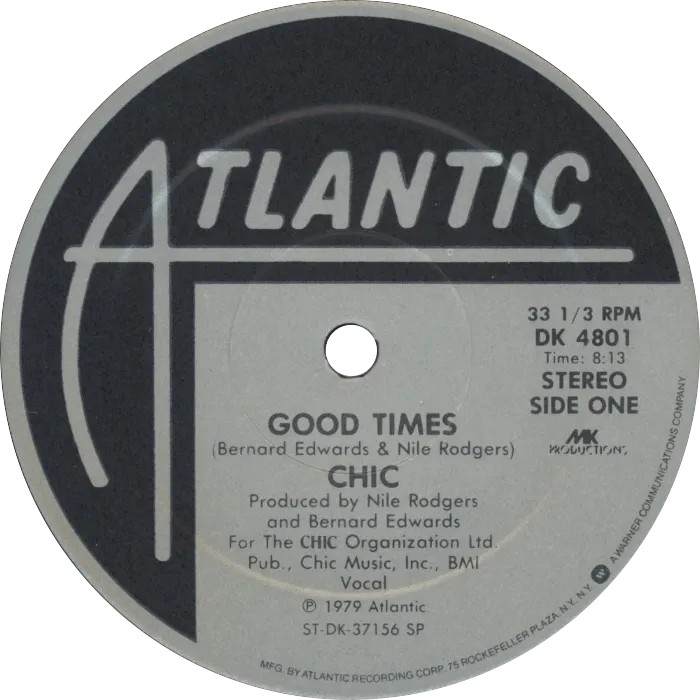
Ask the Man Behind the Crate: Five Black-Owned Funk Shops That Never Stopped Believing in the 12-Inch
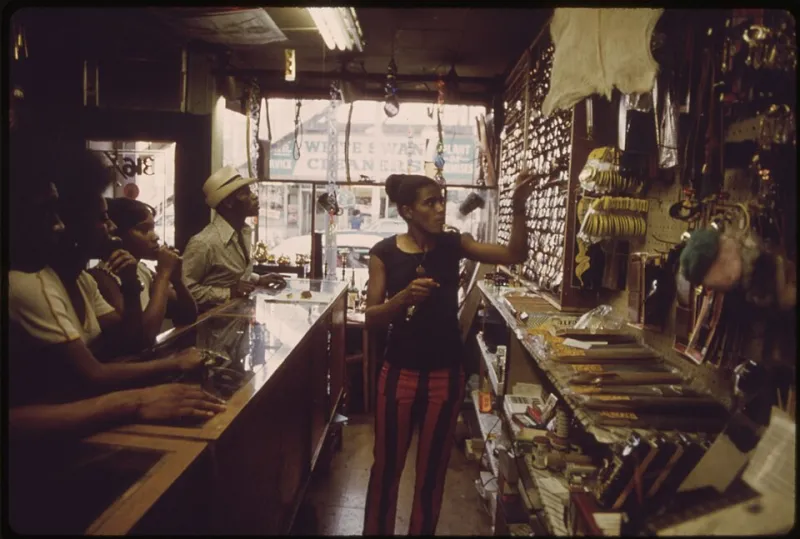
Photo: John H. White, Public domain, via Wikimedia Commons
There's a moment in every great record shop that algorithms have never replicated. It's the moment the owner looks up from the counter, squints at you for a second, and says, "You like that Zapp record? Then you need to hear this," before sliding a worn sleeve across the glass. No recommendation engine on earth has that kind of confidence. And in 2025, the people who do are increasingly rare, increasingly precious, and — this is the part that should worry you — increasingly endangered.
America's Black-owned funk and boogie shops are the last line of defense for a whole musical universe that streaming flattened into playlists. These aren't just stores. They're unpaid museums, argument clubs, and the only places left where you can hold the evidence of a scene in your hands. We called around to a few of the ones still holding the line.
Detroit: Where the Inventory Is Older Than Your Dad's Jheri Curl
Detroit has always understood funk the way other cities understand weather — it's just in the air. The city's surviving vinyl shops carry that inheritance in every crate: P-Funk pressings, Westbound originals, and boogie 45s from bands that played one weekend at a community center and vanished.
The owners here aren't clerks. They're archivists with opinions. Ask about a record and you'll get the release year, the session drummer, and a ten-minute detour about why the B-side is the real treasure. Pro tip: Saturdays are digging days, when fresh estate-sale hauls hit the bins. Bring cash, bring patience, and don't argue about Motown versus Parliament unless you've got all afternoon.
Memphis: Dollar Bins With Doctorates
Memphis record culture runs on a beautiful contradiction: the deepest funk knowledge in the state, housed in shops where the best finds cost less than a gas station sandwich. The Stax legacy looms large, but the real gold is in the local pressings — one-off boogie singles from the '70s and '80s cut by bands who recorded at the studio after hours and pressed 300 copies.
Shopkeepers here will tell you, without a hint of irony, that they're "not really in the record business." They're in the memory business. The records just happen to be the currency. Gentrification keeps knocking on their doors — rents in Memphis and everywhere else don't care about your holy grail pile — but the shops persist, propped up by loyal diggers who understand that a dollar bin is a lottery ticket that always pays something.
Oakland: Boogie With a Side of Community Meeting
Oakland's funk shops operate at the intersection of deep crates and deep community. These are places where the store doubles as an informal neighborhood center: flyers for local funk nights on the counter, a regular holding court by the soul 45s, the owner settling a dispute about whether the Gap Band or the Bar-Kays had the better slow jam (there is no correct answer, and that's the point).
The bay's shops have survived by adapting without surrendering — hosting in-store DJ sets, stocking reissues alongside originals, and treating every customer like a potential convert to the church of the physical record. Weekday afternoons are the quiet dig; first Fridays, the whole block turns into a party.
The Streaming Economy vs. The Shop That Remembers Your Name
Here's the uncomfortable math. Streaming pays a fraction of a cent per play. A record shop pays rent, pays taxes, and pays the owner's mortgage — all while performing cultural work no platform will ever fund. Every one of these stores exists because somebody decided that keeping the crates alive mattered more than a sensible retirement plan.
And what dies when they close? Not just inventory. The oral history. The "this came out on this label, on this pressing, and here's why it sounds different." The context. Streaming gives you the song; the shop gives you the story, the handshake, and the B-side.
How to Be a Good Customer (and Keep These Places Alive)
A short field guide from the diggers who've been doing it for decades:
- Show up with a budget and a question. "Turn me on to something" is the magic phrase. It unlocks the good bins.
- Buy the local pressing. Anyone can find a greatest hits reissue. The 300-copy boogie 45 from the band nobody remembers is the one keeping the lights on.
- Don't haggle over a $6 record. Come on. The owner has priced in forty years of expertise and a mortgage.
- Ask about the holy grail. Every one of these owners has a personal white whale — a record they've hunted for decades. Getting them to talk about it is better than any podcast.
- Tell your friends in person. Word of mouth built these shops, and it's the only marketing that still works on them.
The Beat Goes in the Crate, Not the Cloud
The dollar-bin culture that Drop the Boogie celebrates — the thrill of the find, the flip-through, the accidental discovery — only exists where physical records and physical people share a room. The shops profiled here are holding that room open for all of us, one crate at a time.
So the next time you're near one, do the math differently. Skip one streaming subscription for a month, walk in, and let a man who's been listening to funk since before you were born hand you a record you didn't know you needed. Your turntable will thank you. The shop will survive another month. And somewhere, a forgotten boogie 45 gets to matter again.