Your Hips Remember Everything: The Case for Boogie as Body Memory

Photo: Kristin Dos Santos, CC BY-SA 2.0, via Wikimedia Commons
Here's a party trick you can perform on yourself: put on the opening bassline of something like "Flash Light" and try not to move. Not dance — just move. Try to keep your shoulders still. Try to keep your head from doing that little tilt. Try, in other words, to remain a person and not become a puppet on the one.
You will fail. And the interesting thing is why you'll fail — because the song isn't really stored in your memory. It's stored in your muscles.
The Body Keeps the Groove
Ask someone to name their favorite funk record and you'll often get a long, squinting pause. "You know... the one with the..." And then they'll do it. They'll pop a shoulder. Sway the hips. Do four inches of the Bus Stop right there in the grocery aisle. The title comes back only after the body has already ID'd the track like a customs officer.
Scientists have a version of this called embodied cognition — the idea that thinking isn't confined to the brain but runs through the whole meat machine. Rhythm, in particular, seems to get encoded motor-wise: your brain doesn't just record a groove, it rehearses it. Hearing a beat you've danced to a hundred times activates the same motor circuits you'd use to dance to it again. In a very real sense, listening to funk is dancing in miniature.
There's folklore that says the same thing, just older. Old-school dancers used to say you don't learn a line dance, you wear it in — like breaking in shoes. Nobody who ever spent a night on a roller rink floor needs the neuroscience paper. The eight wheels remember.
Why Funk Is the Most Physical Genre We Have
All music lives in the body somewhat, but funk and boogie live there full-time, paying rent. Consider the architecture: the rhythm isn't a backdrop, it's the whole building. The space between the notes — the gaps, the syncopation, the breath before the downbeat — demands a physical response. It's music designed around the question "what does your body want to do right now?" and then daring you to answer wrong.
Compare that to, say, a singer-songwriter record, which lives mostly in your head and your feelings. Boogie lives in your hips and your feelings. One makes you think about your ex. The other makes you become your ex's worst nightmare on the dance floor. Different delivery systems entirely.
This is also why funk survives in strange places. Play a 1979 one-hit wonder at a wedding in 2025 and watch three generations of strangers execute the same shoulder move simultaneously, without rehearsal, without a shared language, without ever having met. That's not cultural memory. That's muscle memory — a folk choreography passed down through the groove itself.
The Five-Track Skeleton Test
So here's the assignment, and we want your answers in the comments. If you had to name the five songs your body knows before your brain does — the tracks where the physical reaction fires before recognition does — what are they?
Our off-the-top shortlist, for calibration purposes:
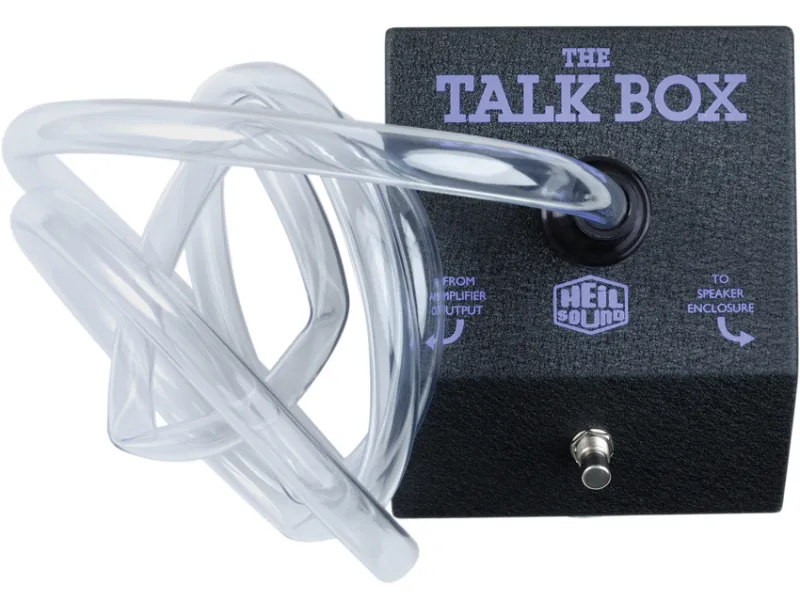
- Something with a talkbox, because the robot voice apparently has direct wiring to the shoulder-pop reflex.
- A bassline so famous that one note functions as a start pistol for hip movement.
- A slow-burn boogie cut that forces a two-step you didn't authorize.
- A line-dance record — because the steps live in you even if you learned them badly at a cousin's quinceañera.
- One wildcard: a song you don't even like, but your body has overruled you on. The body does not care about your critical opinions. The body heard that hi-hat in 1982 and made a decision.
Notice what's missing: any requirement that you remember who made these records, when, or on what label. That's the whole argument. The crate-digger in all of us loves liner notes and pressing details, but the dance floor version of you has a much simpler filing system. It goes: bassline, shoulders, hips, done.
Spin It and See
The next time you're digging through a dollar bin and a warped, sleeveless 45 makes you hesitate because you can't place it — buy it anyway. Play it at home. If your body starts moving before your mouth can say the title, congratulations: you've found a groove your skeleton already had on reserve, and it only cost you a dollar.
Drop your five in the comments. And if you list a song your body knows but your brain still can't name — extra points. That's the boogie ideal: music so deeply worn in that it outlives your memory of it.