Dollar-Bin Gold: A Cheapskate's Field Guide to Funk Records Nobody Else Wants
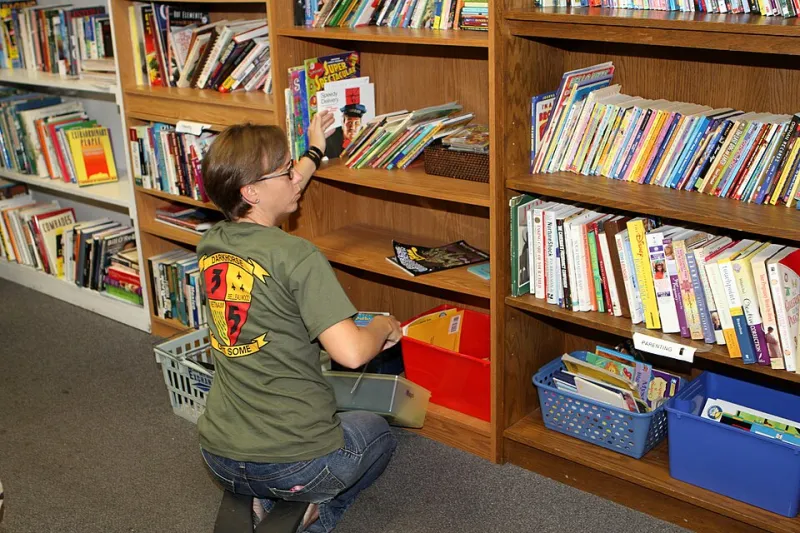
Photo: Lance Cpl. Christopher Johns, Public domain, via Wikimedia Commons
The three-dollar crate challenge is simple: walk into a thrift store, a flea market, or the back corner of a record shop, and leave with a funk record that cost less than a coffee. No collector clout. No graded plastic sleeves. Just playable grooves from bins that look like a yard sale threw up.
The best funk library is not built by chasing the same twelve rare records everyone else wants. It is built by knowing what to grab when nobody else is looking.
The Bins Worth Your Time
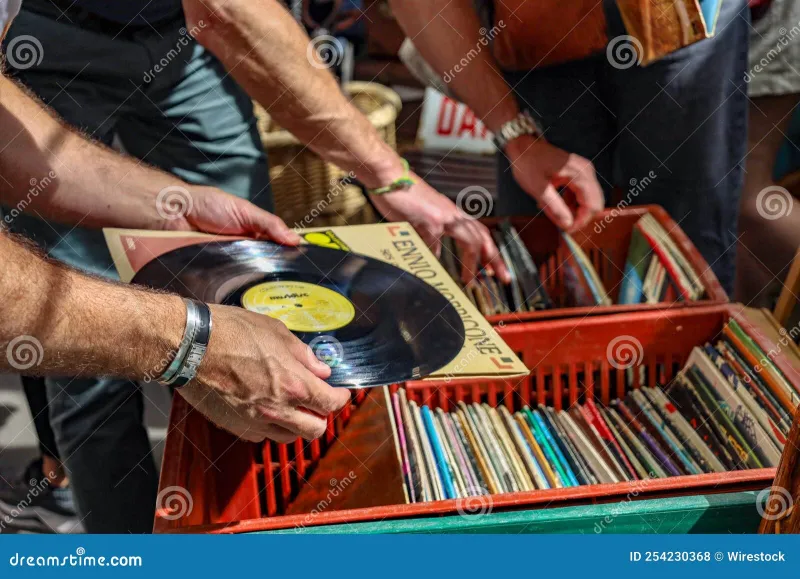
The obvious spots are thrift stores, estate sales, flea markets, library sales, and the dollar bins at independent record shops. The less obvious spots are the bins with bad labels: 'Easy Listening,' 'Misc.,' 'Soundtracks,' 'Various.' Funk hides in all of them. So do disco 12-inch singles, which are often priced like they are radioactive because the jacket has a cutout notch.
Estate sales are the real treasure. Look for the shelf with the old receiver, the shoebox of 45s, and the stack of records that has not been alphabetized since 1983. Ask if there are more in the garage. There usually are.
What to Grab
Start with 12-inch singles. Extended mixes, dubs, and instrumentals are the cheap workhorses of a funk night. A DJ with a $4 copy of a six-minute disco mix can hold a floor longer than a DJ with a $200 original and no room to breathe.
Promo copies are worth a look. A white label or a gold promo stamp does not automatically mean rare, but it often means the record was sent to a radio station and played less than your average wedding DJ. Check the vinyl, not the sticker.
Compilations are the wild card. Late-'70s and early-'80s various-artists disco and funk comps are everywhere, and they are cheap for a reason: some are cheesy, some are sequenced badly, and some contain an extended mix or an obscure track you will not find on a major-label best-of. Read the tracklist. If it has a long version or a song you do not recognize by an artist you do, grab it.
Also grab 45s with an instrumental B-side. You get two chances at a useful groove for one price. Soundtracks and break records are worth a flip if the credits look right. And if you see a stack of records with no inner sleeves and ring wear, do not walk away automatically. Ring wear is cosmetic. A warped record is a wall ornament.
The Three-Dollar Test
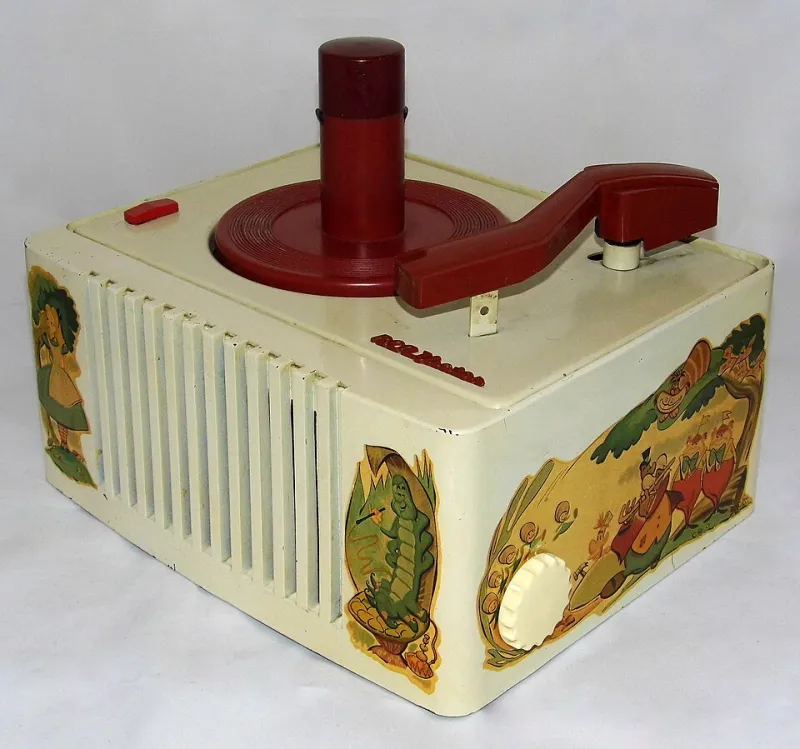
Bring a portable player and headphones. If the seller will not let you test, look harder at the vinyl and price accordingly. Check the spindle hole for cracks. Sight down the edge for warp. Tilt the record under a light and look for deep scratches, gray groove wear, and mold. Play the first ten seconds and the loudest part. If it skips, put it back. If it plays with surface noise but tracks, it is a three-dollar record.
Styrene 45s wear faster than vinyl. A styrene record that looks clean can sound like bacon frying after a few plays. Vinyl is the safer bet. And never buy a jacket-only record unless you are framing covers, which is a different hobby with different problems.
Red Flags That Turn a Bargain Into a Wall Ornament
A record warped like a taco. Mold fuzz on the sleeve. A gouge on the lead-in groove. Water-damaged sleeves with the record stuck inside. A compilation with a different record in the jacket. A handwritten price sticker that says 'Rare' because that means it is now $25. Any record that smells like a basement, because mildew is a commitment.
The Cheapskate's Rules
Set a budget and leave with five to seven records. Buy duplicates when they are cheap, because trading is how you upgrade. Build a relationship with the clerk at the shop with the good dollar bin; they will tell you when the new stuff lands. Do not chase collector clout. Chase playability. The goal is a library you will actually play at a party, not a vault you are afraid to touch.
The Payoff
A $3 copy of a 12-inch with a long mix is a party weapon. The label is beat up. The sleeve has a coffee ring. Nobody cares. The floor cares about the groove. In 2026, the cheapest way to keep a funk night alive is a crate of records that cost less than the cover charge and sound better than the playlist.