The One That Slipped Through: Collectors Confess the Records They'll Never Forgive Themselves For
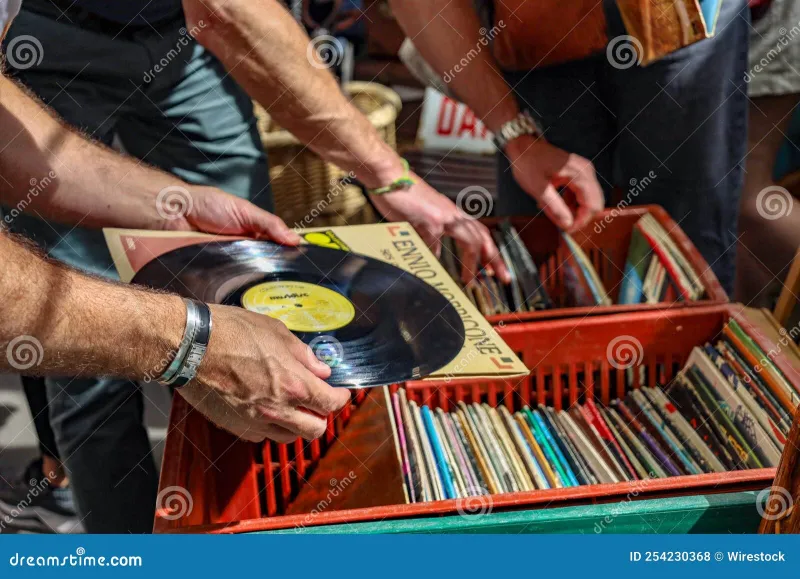
Photo: vinyl record crate digging flea market close up hands, via thumbs.dreamstime.com
Every collector has one. Not the grail they're still hunting — the one they had. In their hands. Priced at a buck fifty. And then, for reasons that still keep them up at night, they put it back in the crate.
We asked the Drop the Boogie readership to confess the record that got away, and the inbox filled up faster than a dollar bin on Labor Day weekend. What came back was a mix of heartbreak, self-delusion, and one story involving a garage sale in Sacramento that genuinely hurt to read.
The Confessions
Marcus T., Detroit: "It was a white-label promo of 'Flash Light' on a folding table at a church rummage sale in Hamtramck. Sealed. The lady wanted five dollars. I told her I'd 'think about it.' I thought about it for eleven years."
Marcus, we've all been you. The rummage sale is the most dangerous terrain in record collecting because the prices are so low your brain assumes there must be a catch. There is no catch. You just fumbled a sealed promo for the cost of a gas station hot dog.
Denise R., Atlanta: "A copy of 'Baby That's Backatcha' in the shrink, sitting in a milk crate outside a flea market in College Park. The vendor was packing up. I didn't want to make him unpack. Reader, I made myself suffer instead."
Anonymous, somewhere in Ohio: "Passed on a boogie 12-inch because the sleeve had a coffee ring on it. It was a $30 record in a $4 state. I have since learned that coffee rings are called 'character' and character costs $300 now."
Why We Do This to Ourselves
There's a specific psychology to the passed record. Unlike the grail you can't find, the one that got away represents a moment of decision — a brief window where the universe handed you the funk and you asked for a receipt first. Collectors call it "the flinch," that half-second of doubt right before you commit, usually triggered by thoughts of rent, duplicate copies you forgot you owned, or the classic: "I'll see it again."
You will not see it again. That's the whole joke.
Redemption Arc: Hunting Down Your Ghost
Here's the good news — the modern tools make atonement possible:
- Discogs alerts are your new religion. Set a marketplace alert for the exact pressing and condition you passed on. Be patient. The same record comes back around; crates are cyclical, like fashion and shame.
- Local is still king. Post in regional Facebook record groups and nextdoor-adjacent forums. The person selling at the Sacramento garage sale probably still has the box.
- Go back to the scene of the crime. Flea market vendors remember. Ask. Worst case, they say no and you buy something else out of embarrassment, which is also the hobby.
- Know when to pay up. If your ghost resurfaces at triple the original price, pay the triple. The interest you'll pay on regret is higher.
Digging Etiquette, So You Never Flinch Again
A few field rules from the confession pile:
- The five-second rule: if a record makes you feel something in the first five seconds, it goes in the buy pile. Debate happens at home, not over the crate.
- Don't make vendors unpack. Denise's rule. If they're packing up, be quick, be kind, be decisive.
- Coffee rings are not fatal. Sleeves can be cleaned, replaced, or reframed as "vintage patina."
- Cash in hand beats thinking about it. Money on the table ends the flinch every time.
The records we pass on become part of our collector's biography — the scar tissue that makes every future find sweeter. But that doesn't mean you can't go get your ghost back. Set the alert. Check the flea market. And the next time a sealed promo surfaces for five bucks, remember Marcus from Detroit, and put your money where your groove is.