Second Shift, First Groove: How America's Factory Towns Kept Boogie on the Clock
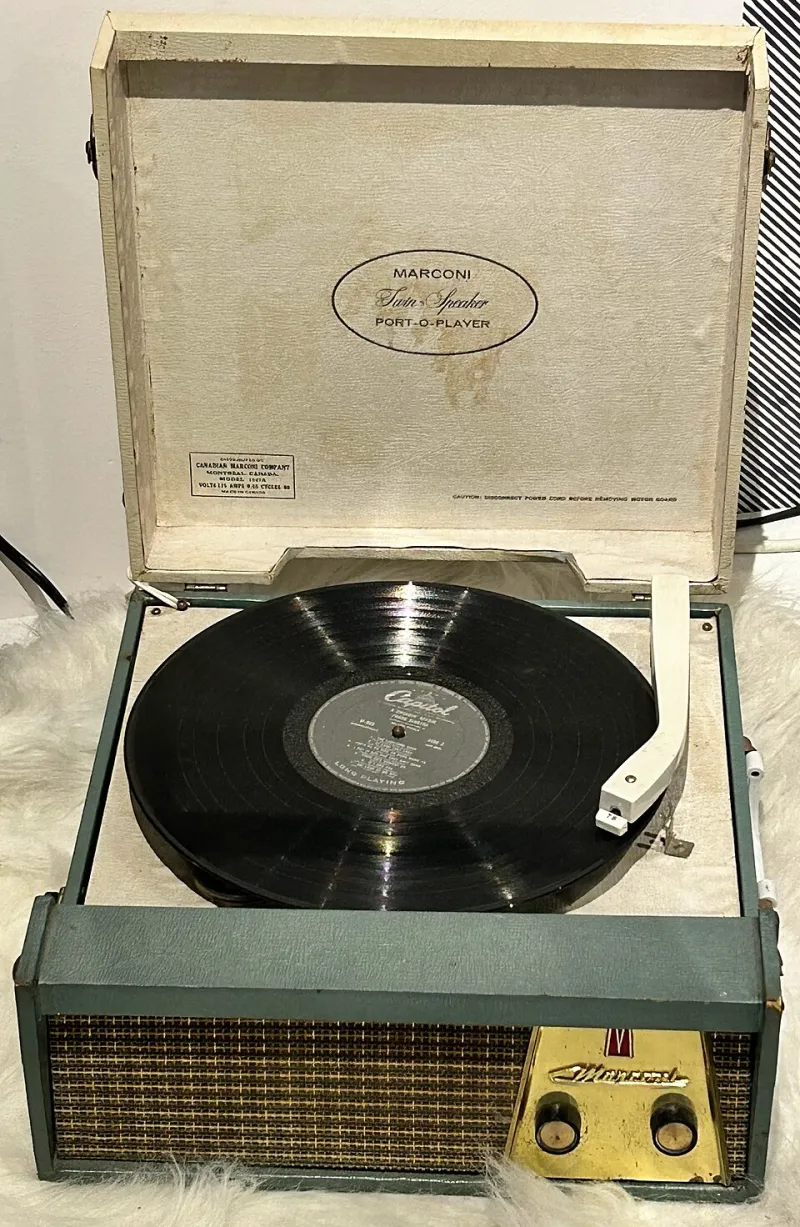
Photo: Wiki.cullin, CC0, via Wikimedia Commons
Everybody wants to tell you disco died in 1979. A dumpster fire at Comiskey Park, a radio executive with a grudge, a culture war with a matchbook — boom, story over.
Except nobody told that to the second shift at the GM plant in Flint. Or the longshoremen in Newark. Or the paper mill guys in Portsmouth, Ohio, clocking out at 11 PM with a duffel bag full of 12-inches and somewhere to be.
In the factory towns of America, boogie never died. It just stopped taking visitors.
The Sound That Punched a Clock
Here's the thing about boogie that the streaming-era revisionists miss: it was always a working person's genre. Disco needed a light show. Funk needed a horn section and a stage. Boogie needed a drum machine, a bassline with a steady job, and a basement.
That's why it took root in exactly the places the culture industry forgot. Dayton, Ohio — a city that gave the world the Ohio Players, Zapp, Lakeside, and Slave, an absurd per-capita return on one mid-sized manufacturing town — never stopped producing that sound. The same is true up the road in Flint, where auto workers threw rent parties that outlasted the plants themselves. Newark's scene ran through house parties and mobile DJ crews who treated the turntable like a trade, learned apprenticeship-style, passed down like a skill.
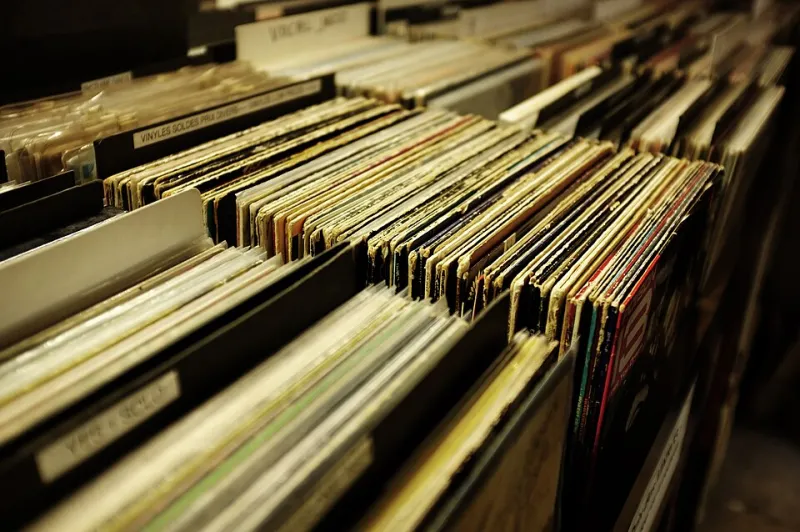
When the factories started closing in the '80s, the music didn't leave. It moved indoors. Fewer venues meant more living rooms. Fewer record stores meant deeper crates. The party got smaller and, honestly, better.
The People Who Never Stopped
Talk to the guys who ran these scenes and you'll hear the same sentence in four different accents: "We didn't know we were supposed to quit."
In Portsmouth — a river town on Ohio's southern edge, closer to Kentucky than to any music industry — local radio men kept a boogie and quiet-storm format alive well into the '90s, spinning regional 45s and imports that never charted anywhere near Billboard. In Flint, promoters ran weekly sets at VFW halls and American Legion posts, rooms that smelled like coffee and armor polish on Sundays and sounded like Parliament by Saturday.
These weren't nostalgists. They were curators operating in real time, breaking local pressings, trading dubs with cousins in other factory towns. A record pressed in Dayton on a Tuesday could be in a Newark DJ's crate by the weekend, carried in a trunk, tested at a house party, and championed by word of mouth before any label ever saw a sales number.
That's the secret infrastructure of American boogie: not radio chains, not MTV — a lattice of plant workers, barbers, bartenders, and bedroom DJs connected by phone lines and station wagons.
The Pressing Plant Is the Unsung Hero
You can't have a regional sound without regional vinyl, and the small pressing plants scattered across the Rust Belt and Mid-Atlantic did more for boogie than any A&R man alive.
These were the places a promoter with $800 and a good bassline could cut 500 copies, hand-label them, and stuff them into jackets at the kitchen table. No marketing plan. No remix budget. Just a groove, a run of wax, and a trunk full of hope. Many of those pressings now fetch three figures on the collector market — records that were practically currency at a Newark rent party in 1986.
The collectors chasing them today should thank the shift workers who bought them first. Every dollar-bin holy grail was somebody's Saturday night.
From the Porch to the Playlist
Now the algorithm has caught up. Modern boogie and funk playlists — the kind with millions of followers that Gen Z treats like a discovered civilization — are largely built from records these towns never stopped playing. The West Coast boogie revival, the UK's deep-dig obsession with American regional pressings, the samples sitting under half your favorite rap tracks: it all routes back through Dayton, Newark, Flint, Portsmouth.
The music business calls it a resurgence. The folks who never stopped spinning call it Tuesday.
And that's the real lesson from these towns, the one worth taking to your next party: a groove doesn't need permission to survive. It needs a room, a system, and people who show up after work. Disco's obituary was written by people who thought music only existed where cameras pointed.
The factory towns knew better. They always do. While America was supposedly done dancing, the second shift was just getting started — and forty years later, the whole internet is dancing to their overtime.