Slow Is a Strategy: In Defense of Funk That Refuses to Sprint

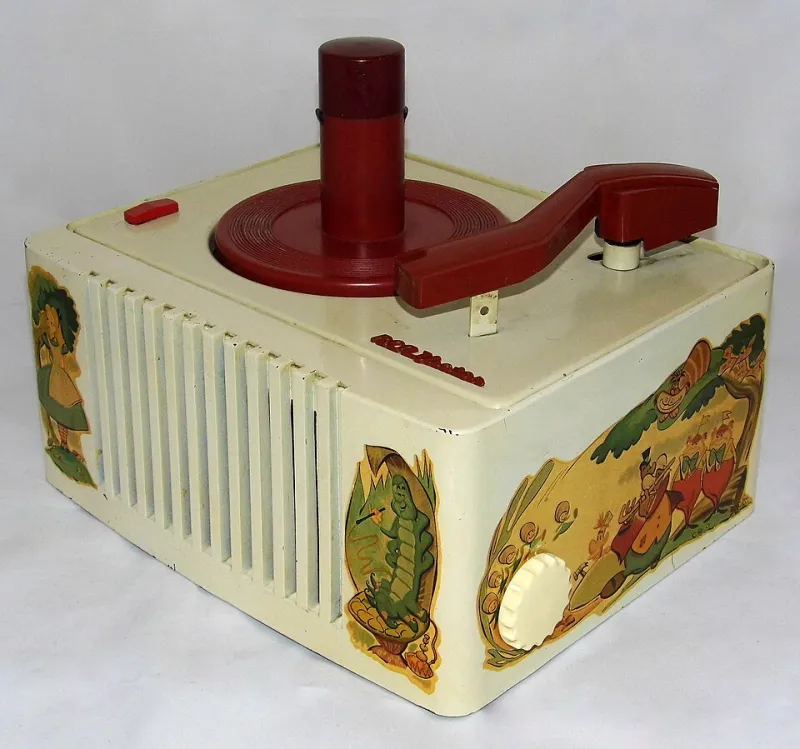
Photo: PattayaPatrol, CC BY-SA 4.0, via Wikimedia Commons
Somewhere around 1:20 in the morning, a DJ will play a 122 BPM edit of a record that was recorded at 108, and the floor will do the thing it always does: it will look extremely busy for about ninety seconds, and then it will thin out like a party where someone mentioned a group chat.
That's not a knock on edits or on enthusiasm. It's a description of physics. Funk has a sweet spot, and the sweet spot sits below 110. The records that have kept people dancing for fifty years are, almost without exception, slower than the ones being pushed at them now. This is the argument for the pocket — and for going back through the crates until you find it.
How We Got Addicted to Fast
Tempo creep is a DJ problem disguised as a taste problem. Modern sets are booked by the hour, mixed in twenty-minute bursts, and calibrated against a room that has been trained by festival culture to respond to escalation. If the floor is good, the instinct is to push it. If the floor is bad, the instinct is to push harder.
Funk and boogie get caught in the middle of that reflex, because they sit adjacent to house music in the record bag. A DJ who plays four-on-the-floor at 124 will nudge a 110 BPM groove up to "match the energy," and suddenly a record built for hips is being asked to do the job of a kick drum. The song survives. The groove does not.
What Tempo Actually Does to a Body
Here's the thing tempo changes: stride length.
At 100 to 110 BPM, a person dancing has time to step, settle, and drop their weight into the beat. The hips lead. There's a lean, a swing, a little space between the beats where a body can be a body. Four hours of that is a night out.
At 122 and up, the step collapses into a bounce. Weight goes up instead of down, the knees stay bent and busy, and the movement becomes vertical — efficient, athletic, and completely interchangeable. Any crowd can do it to any song. That's the tell. If the dance doesn't change when the record changes, the tempo has flattened the music into a metronome.
Slower tempos also carry the thing that makes funk physically irresistible: space between the notes. The one is heavier when it has room to land. A bassline at 106 has time to breathe, which means the crowd has time to anticipate it, which means the crowd is dancing before the note arrives.
The Pocket, Proven by Records
If you want to hear the argument rather than read it, here's the evidence — and note how many of these still get played, decades on, at parties that have no nostalgia budget whatsoever:
- MFSB, "Love Is the Message" (1973) — the string-and-bass blueprint, right around 113. Find the long 12-inch version; the short edit throws away the sermon.
- The Gap Band, "Outstanding" (1982) — a hair over 100, and the most relaxed devastating groove in the catalog. The 12-inch on Total Experience is the one.
- Keni Burke, "Risin' to the Top" (1982) — mid-100s, all air, all glide. The RCA 12-inch is inexpensive and everywhere.
- Fat Larry's Band, "Act Like You Know" (1982) — right at 110, which is not a coincidence, because it was built for a floor in Philadelphia.
- Teena Marie, "Behind the Groove" (1980) — a slow-burn strut that Motown pressed beautifully. Any copy will do; the song refuses to be ruined.
- D-Train, "You're the One for Me" (1981) — the Prelude 12-inch, with the dub on the flip, is worth the hunt for the B-side alone.
- Kool & the Gang, "Get Down on It" (1981) — around 109, and proof that a song can be enormous without being fast.
Notice the labels: Prelude, Salsoul, West End, Tabu, Total Experience. When you're digging, those sleeves are a tempo filter all by themselves. A lot of them even have the BPM written in pencil on the corner, put there by a working DJ in 1983 who knew exactly what they were doing.
Building a Night in the Pocket
For DJs and hosts who want a floor that's still full at last call, a few working principles:
Program in ranges, not spikes. Sit in 98 to 112 for the bulk of a funk or boogie set. Move within that window instead of leaping out of it.
Spend your fast songs like cash. Two or three above 120 in a whole night, placed where they mean something. If everything is a peak, nothing is.
Let the breakdown run. The good part of a funk record is the part with no vocals. Cutting it to keep the momentum is like skipping dessert to save time.
Don't speed up a classic. If the original was 108, it is now and will remain 108. A record that needed your help was not a classic.
Watch feet, not hands. Hands go up for anything. Feet tell you whether the crowd is actually dancing or merely surviving.
The Case Against, Fairly Stated
There's a real counterargument. Some rooms genuinely need the sprint: a wedding with a twenty-minute window before the venue turns the lights on, a soul night with a Northern tradition where 130 is the whole point, a live band that pushes tempos because adrenaline is a drug. Fast has its place. And a DJ who only ever plays slow is a DJ who has confused taste with policy.
But the default should not be the exception. When in doubt, the answer is almost always to go slower and let the groove do the recruiting.
A Note for the Crate
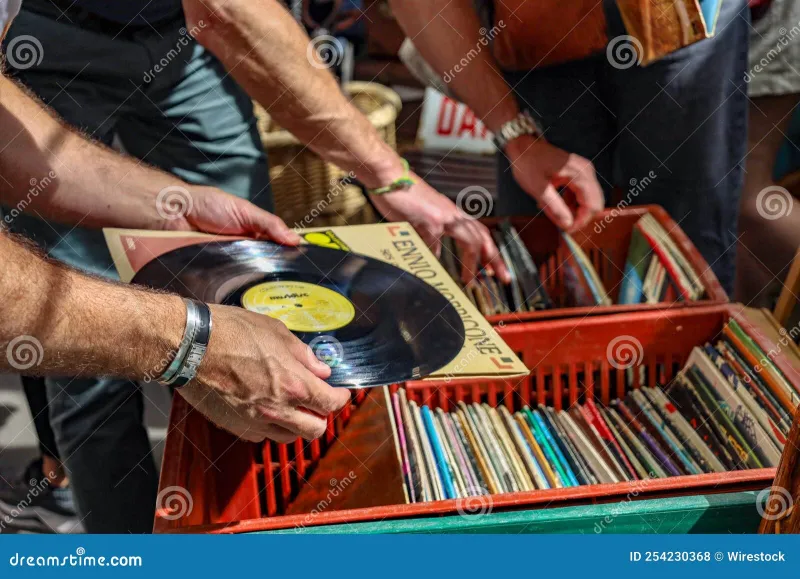
Next time you're flipping through the disco bins, put back the record that sounds like it's late for something. Take home the one that sounds like it has nowhere to be. Play it at the tempo it was born at, and watch what a room does when nobody is in a hurry.